The movie
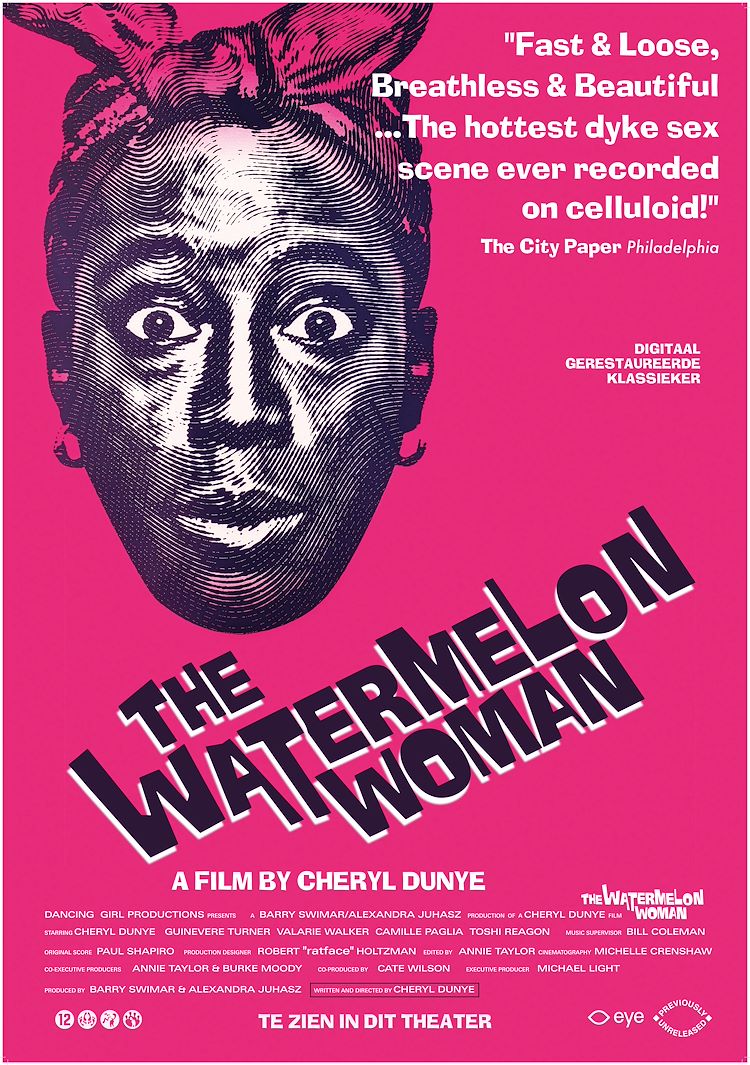
The Watermelon Woman (Previously Unreleased)




Why were Black lesbian actors written out of early cinema history? A meta-reflection on that absence may sound dry and academic, but seasoned director Cheryl Dunye proves otherwise in her witty, archive-layered mockumentary. Here, fiction reveals the truth.
Description
Why were Black lesbian actors written out of early cinema history? A meta-reflection on that absence may sound dry and academic, but seasoned director Cheryl Dunye proves otherwise in her witty, archive-layered mockumentary. Here, fiction reveals the truth.
Dunye plays herself as “Cheryl,” a video store clerk with directorial ambitions. Cheryl’s attention turns to film history and the way it has been written. Why, for example, were the names of Black actresses never mentioned in the early years of cinema? And why are they virtually absent from film archives? Cheryl, a young Black lesbian woman herself, sets out to investigate.
In her fictional documentary, Dunye weaves together her personal history with invented facts and events. As a researcher, she creates the character Fae Richards, who appears as “The Watermelon Woman” in the credits of the also fictional film Plantation Memories. Richards turns out to be traceable in the (Dunye-constructed) archives; she had a relationship with the white director of the film—a situation that mirrors Dunye’s own life when she begins dating white film scholar Diana.
The Watermelon Woman is a sharp meta-mix of film lecture and romantic comedy in one. Dunye offers a thoughtful critique of the erasure of Black film history in Hollywood, while also painting a humorous portrait of the academic world of “queer media studies.” Dunye’s first feature film—the first ever directed by a Black lesbian woman—premiered at the Berlinale in 1996 and won the Teddy Award for Best LGBTQIA+ Feature Film. It had not previously screened in Dutch cinemas.
Cheryl Dunye (1966, Liberia) grew up in Philadelphia. Her work often explores themes of race, sexuality, and gender. She became known for her distinctive film style blending documentary and fiction, which she calls “dunyementaries.” She also gained recognition with the HBO production Stranger Inside (2001), about the lives of African American lesbians in prison. In recent years, she has directed episodes of several TV series, including Queen Sugar (2017–2019), Dear White People (2019), and Lovecraft Country (2020).